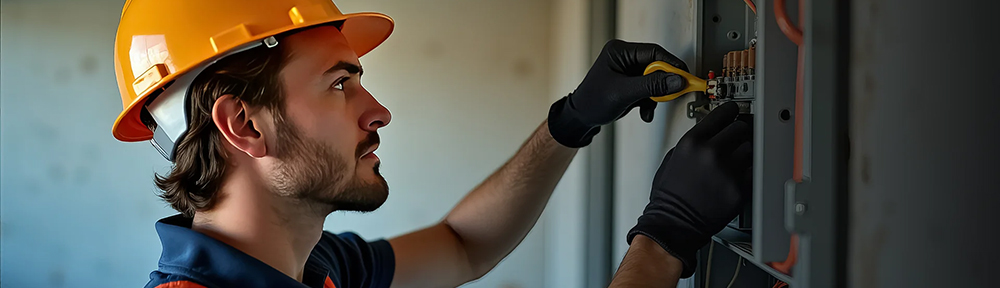
Does Your Home Need an Electrical Panel Upgrade?

our home’s electrical panel is responsible for distributing electricity throughout the house and protecting your wiring from electrical overloads. As homes get older and homeowners add new appliances, electronics, and other electrical equipment, an existing panel may no longer provide adequate capacity. Knowing the warning signs can help you determine when it may be time for an electrical panel upgrade.
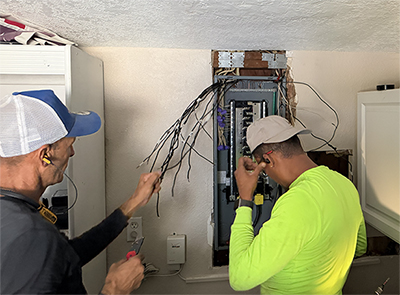
installing panel

Frequent Circuit Breaker Trips

If your circuit breakers trip frequently, your electrical system may be struggling to handle the amount of electricity your home requires. Occasional trips can happen when too many appliances are operating on the same circuit, but repeated problems should be evaluated by a licensed electrician.

An Older Electrical Panel

Older homes may have electrical panels that were designed for much lower electricity demands. If your home still has an outdated panel, an electrician can inspect its condition and determine whether an upgrade would improve safety and provide additional capacity.

Flickering or Dimming Lights

Lights that flicker or dim when you turn on major appliances can indicate that your electrical system is under strain. This can sometimes be caused by wiring or circuit problems, so a professional electrical inspection is recommended.

You Are Adding Major Electrical Equipment

Installing an electric vehicle charger, central air-conditioning system, hot tub, pool equipment, generator, or other high-demand equipment may require additional electrical capacity. Your electrician can determine whether your existing panel can safely handle the added load.

Limited Breaker Space

If your electrical panel has no available breaker spaces, adding new circuits can become difficult. An electrical panel upgrade may provide the space needed for future electrical improvements.

Get a Professional Electrical Inspection

An electrical panel upgrade is not simply about installing a larger panel. The home’s wiring, electrical load, grounding, breakers, and other components should be evaluated to make sure the entire system can safely support your electrical needs.

If you notice frequent breaker trips, flickering lights, an aging electrical panel, or other electrical problems, contact a qualified electrician for an inspection. A professional evaluation can help identify potential safety issues and determine whether upgrading your electrical panel is appropriate for your home.

All In One Electrical  provides electrical services in Clearwater, Dunedin, Tampa, Hillsborough County  and the surrounding Tampa Bay area.

For more information, visit our website, https://electriciantampabay.net/

or call (813) 513-9593.
What Causes Circuit Breakers to Keep Tripping?

If a circuit breaker keeps tripping, it is usually your electrical system’s way of warning you that something is wrong. While resetting a breaker once may solve a temporary problem, a breaker that repeatedly trips should not be ignored. Understanding the possible causes can help protect your home, appliances, and family from electrical hazards.

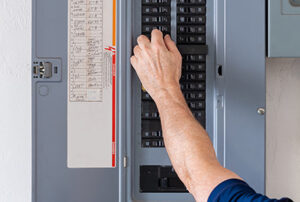
resetting tripped breaker

Circuit Overload

One of the most common reasons a circuit breaker trips is an overloaded circuit. Every electrical circuit is designed to handle a specific amount of electrical current. When too many appliances are operating on the same circuit, the electrical demand can become too high. The breaker trips to prevent the wiring from overheating.

Large appliances such as air conditioners, refrigerators, microwaves, and space heaters can place significant demands on your electrical system.

Short Circuits

A short circuit occurs when electricity takes an unintended path, often because of damaged wiring or a faulty electrical connection. Short circuits can cause a breaker to trip immediately and may create a serious fire hazard.

If a breaker trips whenever you turn on a particular appliance, that appliance or its wiring could be the source of the problem.

Ground Faults

Ground faults happen when an energized electrical wire comes into contact with a grounded surface or wire. They are particularly concerning in areas where electricity and moisture are present, such as kitchens, bathrooms, garages, and outdoor locations.

Ground-fault circuit interrupters (GFCIs) are designed to help protect people from these types of electrical hazards.

Faulty Appliances

Sometimes the electrical circuit isn’t the problem. A defective appliance may have damaged wiring or an internal electrical fault that causes the breaker to trip. If the breaker consistently trips when you use one particular appliance, stop using it and have the appliance or circuit inspected.

Aging or Defective Breakers

Circuit breakers can wear out over time. An old or defective breaker may trip even when the circuit isn’t overloaded. An electrician can test the breaker and determine whether replacement is necessary.

When Should You Call an Electrician?

If a breaker repeatedly trips, don’t simply keep resetting it. Frequent tripping indicates that the electrical system needs attention. An electrician can inspect the panel, wiring, outlets, and connected appliances to identify the underlying cause.

Never attempt electrical repairs yourself if you are not qualified to work with electrical systems. Professional electrical service can help identify problems safely and reduce the risk of electrical shock or fire.

A circuit breaker is an important safety device in your home. If it keeps tripping, consider it a warning—not an inconvenience. Getting the problem properly diagnosed can help keep your electrical system safe, reliable, and operating properly.

All In One Electrical  provides electrical services in Clearwater, Dunedin, Tampa, Hillsborough County  and the surrounding Tampa Bay area.

For more information, visit our website, https://electriciantampabay.net/

or call (813) 513-9593.
How Smart Thermostats Help Reduce Energy Costs

Heating and cooling your home accounts for a significant portion of your monthly energy bill. If you’re looking for a simple way to improve comfort while lowering energy costs, installing a smart thermostat is one of the best investments you can make. These advanced devices automatically adjust your home’s temperature based on your schedule, helping you avoid wasting energy when no one is home.

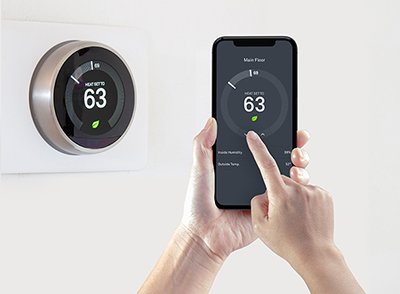
A person using a smart phone application saving energy with a wireless smart thermostat on a white background.

What Is a Smart Thermostat?

A smart thermostat connects to your home’s Wi-Fi network, allowing you to control your heating and cooling system from a smartphone, tablet, or computer. Unlike traditional thermostats, smart models learn your preferences, monitor your daily routines, and make automatic adjustments to maximize efficiency.

Whether you’re at work, on vacation, or simply relaxing at home, you can manage your home’s temperature from virtually anywhere.

How Smart Thermostats Save Energy

Automatically Adjust Temperatures

One of the biggest advantages of a smart thermostat is its ability to lower or raise the temperature when you’re away. Instead of heating or cooling an empty house all day, the thermostat adjusts itself and returns your home to a comfortable temperature before you arrive.

Create Customized Schedules

Smart thermostats allow you to create daily and weekly schedules that fit your lifestyle. You can set different temperatures for mornings, evenings, weekends, and overnight hours without having to remember to adjust the thermostat manually.

Remote Control

Forgot to turn down the air conditioning before leaving for vacation? No problem. With a smart thermostat, you can make changes from your smartphone wherever you are, preventing unnecessary energy use.

Energy Usage Reports

Many smart thermostats provide monthly energy reports showing how much energy your HVAC system is using. These reports often include personalized recommendations to help you improve efficiency even further.

Smart Learning Features

Some models learn your daily habits over time. They recognize when you’re typically home or away and automatically optimize your heating and cooling schedule without requiring constant adjustments.

Additional Benefits

Besides lowering energy costs, smart thermostats offer several other advantages:

  • Improved indoor comfort
  • Easy-to-use smartphone controls
  • Voice assistant compatibility
  • Automatic reminders to change HVAC filters
  • Better temperature consistency throughout the day
  • Reduced wear and tear on your heating and cooling system

Professional Installation Matters

Although some smart thermostats appear simple to install, proper wiring is essential. Homes with older electrical systems, heat pumps, multi-stage HVAC systems, or common wire (C-wire) requirements may require professional installation to ensure everything functions safely and correctly.

A licensed electrician can verify that your home’s electrical connections are compatible, install the thermostat properly, and confirm that it communicates correctly with your HVAC equipment.

Is a Smart Thermostat Worth the Investment?

For many homeowners, the answer is yes. The combination of lower utility bills, greater convenience, and improved comfort often makes a smart thermostat a worthwhile upgrade. Over time, the energy savings can help offset the initial cost of the device.

If you’re already planning other electrical upgrades—such as installing LED lighting, upgrading your electrical panel, or adding smart home technology—a smart thermostat is an excellent addition to create a more efficient home.

Contact a Licensed Electrician

If you’re considering installing a smart thermostat, working with a licensed electrician helps ensure the job is completed safely and correctly. Professional installation gives you confidence that your new thermostat will operate reliably and efficiently from day one.

Whether you’re upgrading your home’s electrical system or exploring smart home solutions, an experienced electrician can recommend the right products and provide expert installation that helps you enjoy greater comfort while reducing your monthly energy costs.

All In One Electrical  provides electrical services in Clearwater, Dunedin, Tampa, Hillsborough County  and the surrounding Tampa Bay area.

For more information, visit our website, https://electriciantampabay.net/

or call (813) 513-9593.